
Wholesale Matcha for Cafes: What to Know Before You Buy
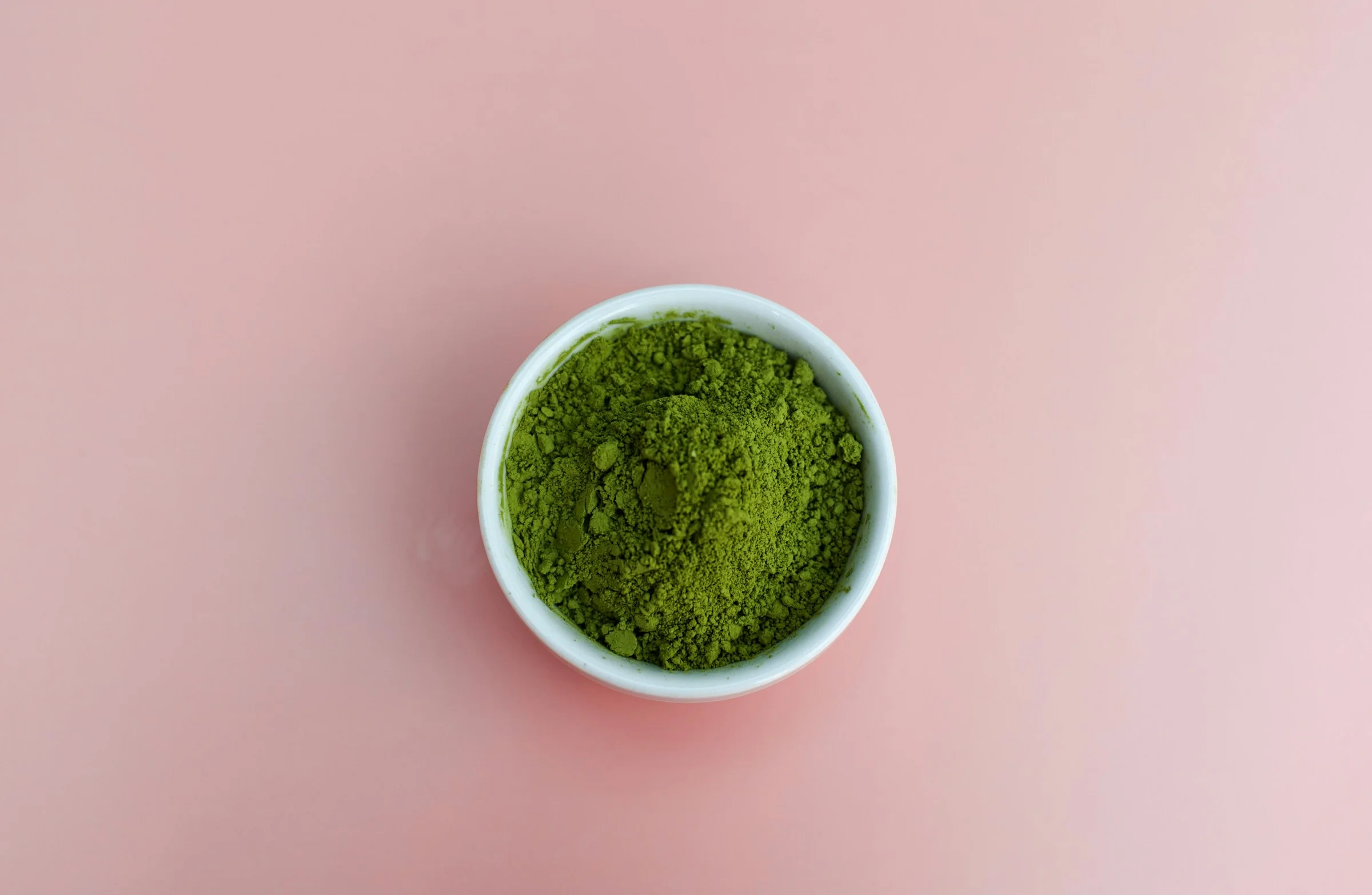
Most people searching for matcha wholesale are not after a history lesson on tea grades. They have a menu decision in front of them. The matcha latte is selling, the retail tins have stopped making sense at volume, and the question is simple: how do you buy matcha by the kilo without getting stuck with the wrong powder or too much of it?
That is what wholesale matcha really is. Not a fancier tin. A supply decision about whether matcha can run as a steady part of your cafe, week after week.
Quick Answer
Buying matcha wholesale means buying by the kilo for service, not by the tin for retail. The decision that matters is whether a matcha can run as a reliable menu program: the right grade for the drink, a format that stays fresh, a minimum order you can actually move, fast restock, and a sensible cost per serving.
Key Takeaways
- Wholesale matcha is bought by the kilo or lot for service, so judge it by how it performs on the bar, not by how the tin reads.
- You rarely need the highest grade. A milk-based latte wants body and clean bitterness, not a delicate straight-drinking tea.
- Format and pack size decide freshness. A big bag is cheaper on paper and stale by the time you reach the bottom.
- MOQ and restock speed decide whether the matcha survives a busy month. A 1 kg start beats a 50 kg lock-in for most cafes.
- Compare cost per serving, not price per kilo. Cheap powder that needs an extra gram per cup is not cheap.
What “Wholesale Matcha” Actually Means For A Cafe
Retail matcha is sold to drink at home, one tin at a time. Wholesale matcha is sold to a business that will go through kilos, and the terms change with it: a trade price per kilo, a minimum order, a lead time, and a restock path.
So the way you evaluate it changes too. A retail buyer can chase the most impressive single tasting. A cafe cannot. Your tenth reorder has to behave like your first, through busy service and normal storage. The matcha that wins is the one that stays the same on the bar, not the one that scored highest once.
If you are weighing specific suppliers, the companion to this page walks through exactly what to ask: see how to choose a wholesale matcha supplier.
The Grades You’ll See, And Which One You Need
Wholesale lists usually sort matcha into ceremonial, premium, and culinary. Those labels describe intended use, not a quality ranking you should pay up the ladder for.
Ceremonial-style matcha is made for drinking straight. It leans on a smooth, clean finish because there is no milk to cover rough edges. Culinary matcha is built to hold its color and flavor through sugar, heat, and dairy, which is why it shows up in pastry and soft serve. The middle ground is where most cafe lattes live: enough body and clean bitterness to read through oat milk, without paying for a delicacy the drink will mask anyway.
The common mistake is buying the top label for a milk drink. You pay more, and the qualities you paid for disappear under the milk. Pick the grade that fits the drink. For a deeper breakdown by drink type, see best matcha for cafe lattes.
Formats And Pack Size: Where Freshness Lives
Wholesale matcha comes as loose powder in bags, tins, or larger bulk packs. The format question is really a freshness question.
Matcha loses aroma as soon as it meets air, light, and heat. A large bag looks cheaper per gram, but if it sits open on a shelf for weeks, the last servings taste flat and dull-green. The right pack size is the one your cafe can move through while the powder is still bright and aromatic. For a high-volume bar that might be a bigger bag every week. For a cafe testing a new matcha latte, smaller packs that turn over quickly protect both the flavor and your money.
Ask how the matcha is packed and how it should be stored during service. A supplier who has thought about freshness will have an answer ready.
MOQ, Restock, And Not Getting Stuck
This is where wholesale matcha quietly makes or breaks a menu. The best tea on paper still fails if the buying terms do not fit how a cafe runs.
Three questions decide it:
- What is the minimum order per matcha?
- How fast can you restock?
- Where does the reorder ship from?
Some of the most famous Japanese houses will not sell below 50 kg. That works for a roaster or a large chain. For a specialty cafe it means committing to far more powder than you can use while it stays fresh, before you even know the drink will sell. A lower starting minimum lets you prove demand first.
Restock path matters just as much. Importing directly from Japan can be the right move for big, planned orders, but it brings customs, longer lead times, and more risk if a drink suddenly takes off. A domestic restock path is what saves you the weekend a matcha latte goes viral.
What Wholesale Matcha Costs, And What You’re Paying For
Wholesale matcha is priced by the kilo, but the kilo price is the wrong thing to compare first.
A lot of what you pay goes to the name. Famous regions and famous houses carry a markup that has more to do with reputation than with how the tea performs in your cup. Sometimes that markup is worth it. Often the better value is a less obvious region or cultivar with exactly the right profile for your menu.
The number that actually protects your margin is cost per serving. A matcha that costs more per kilo but performs at two grams a drink can be cheaper in practice than a bargain bag that needs three grams and still tastes thin. Once you know your grams per cup, you can price the drink properly. We work through that math in matcha latte profit margin.
One honest note: you will not find real wholesale prices indexed on a public page, ours included. Trade pricing belongs in a quote tied to your volume, not on a blog. What you can do publicly is learn to compare by serving, not by sticker.
How To Start
You do not need to solve your whole matcha program at once. A workable path looks like this:
- Name the use. Daily latte, iced drink, pastry, soft serve, or straight matcha. Each behaves differently.
- Get a matcha matched to that use, and taste it in the actual drink, in your actual milk, over your actual ice.
- Place a small first order so you can train the team and watch how it sells.
- Lock in a restock path before you need it.
Skip the urge to buy the biggest, most impressive bag up front. Build the program on what your customers actually order.
Where Hisa Fits
Most wholesale matcha asks you to choose. You can have a real, named source, or you can have ordering that fits how a cafe actually runs. The named Japanese houses tend to come with large minimums and import lead times. The easy domestic options tend to go vague on where the tea is from.
Hisa is built to hold both. A team buying directly in Japan, across Shizuoka, Kagoshima, Miyazaki, Aichi, and Kyoto, so every matcha comes with a region, cultivar, harvest year, and tasting notes. And ordering that runs like it is domestic: a 1 kg minimum per lot, stocked stateside, restocked in days instead of weeks. Farm-direct sourcing without the import headache.
Tell us what you serve, and we’ll point you to a starting matcha for your menu.
Frequently Asked Questions
- What is wholesale matcha?
- Wholesale matcha is matcha sold by the kilo or by the lot for use in service, rather than by the small tin for home retail. For a cafe it means buying enough volume to run a drink program, at a price per kilo set for trade, with terms like minimum order and restock timing that a retail tin never has to think about.
- How much matcha does a cafe need to buy wholesale?
- It depends on your volume and how many menu items use matcha. The useful question is not the lowest bulk price but the smallest order you can move while the powder still tastes fresh. Some famous Japanese houses will not sell below 50 kg. A starting minimum closer to 1 kg per lot lets you build demand and adjust the menu before you commit.
- Do I need ceremonial grade matcha for my cafe?
- Usually not for milk-based drinks. "Ceremonial" describes matcha made for drinking straight, where a smooth finish matters because there is no milk to hide rough edges. A latte needs body and clean bitterness that pushes through dairy or oat milk, which a mid-tier matcha often does better and cheaper. Match the grade to the drink, not to the label.
- How is wholesale matcha priced?
- By the kilo, and the number you see often pays for the famous region or name as much as the tea. The better comparison is cost per serving, since a matcha that performs at two grams a cup can beat a cheaper one that needs three. The real value frequently sits with less obvious producers most buyers never reach.
- Where can cafes buy wholesale matcha from Japan?
- Either by importing directly, which suits large, planned buyers but adds customs, lead time, and bigger commitments, or through a wholesaler that already stocks stateside and can restock quickly. For a specialty cafe, a domestic restock path usually matters more than shaving the kilo price.