
Yabukita vs Saemidori Matcha: A Sourcing Guide to Cultivars
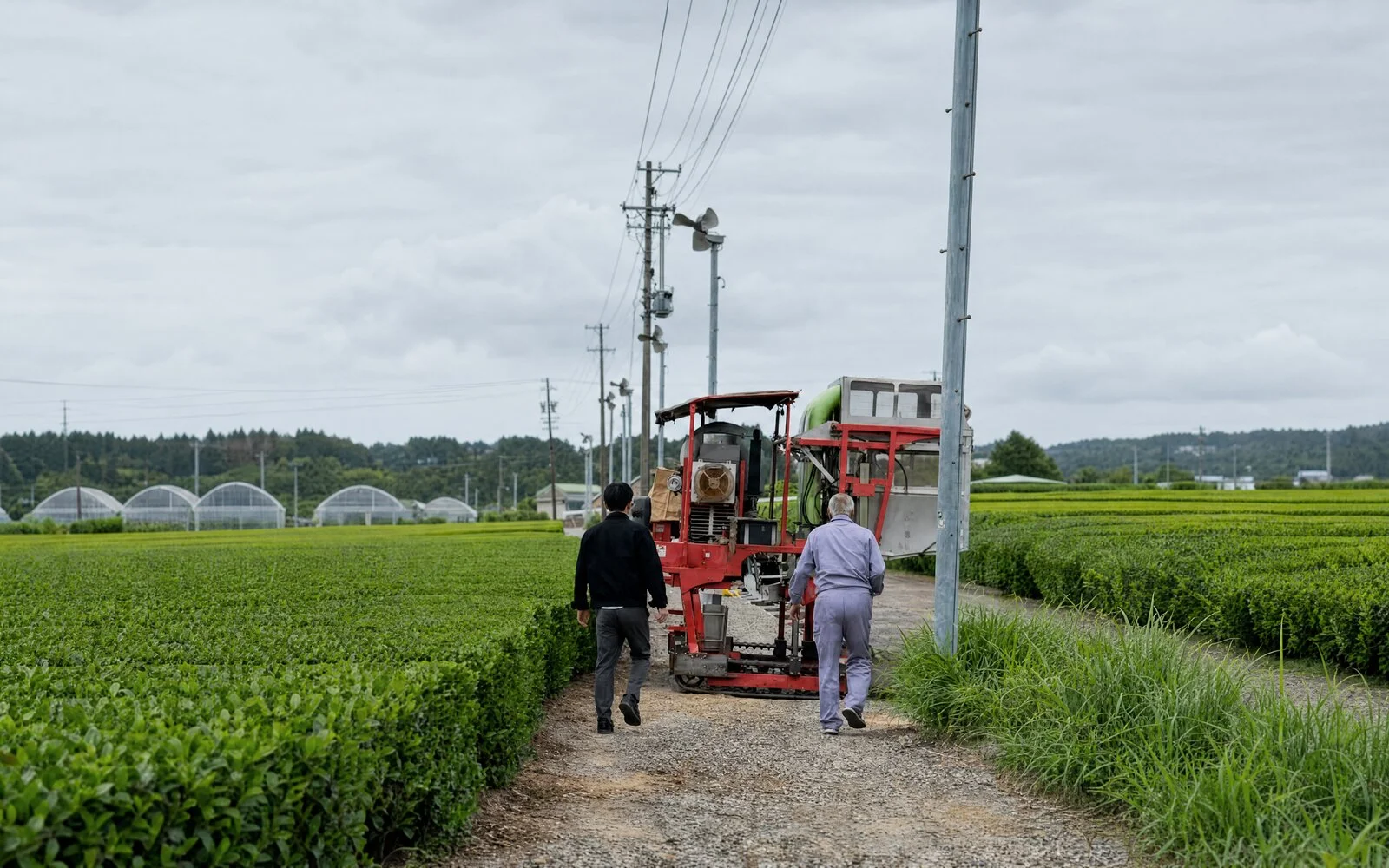
Yabukita is the workhorse — balanced, slightly astringent, the cultivar most “Japanese matcha” actually is. Saemidori is sweeter, softer, and greener, bred for low astringency and a fuller umami body. For a cafe program, the short version: Yabukita holds up under milk and price pressure, Saemidori shines when the drink is meant to taste like the tea.
Quick Answer
Yabukita and Saemidori are the two cultivars a wholesale buyer hits first. Yabukita is the balanced national standard — grassy, mildly astringent, reliable across blends and forgiving in a latte. Saemidori is a sweeter, lower-astringency cultivar with a rounder umami body and a brighter green color, which makes it the better pour for usucha and tea-forward drinks where the matcha isn’t hiding behind milk.
Key Takeaways
- Yabukita = the balanced default. Grassy, slightly astringent, color holds in milk. The safe spine for a latte-heavy menu and high-volume pours.
- Saemidori = sweetness and color. Low astringency, deep umami, vivid green. Worth it where the matcha is the point — usucha, tasting flights, dessert work.
- Okumidori = the late-harvest sweet spot. A later-maturing cultivar prized for sweetness and a stable green; often the cultivar behind a “smooth, no-bitterness” house blend.
What a cultivar actually changes
A matcha cultivar is the tea plant variety the leaf comes from, and it sets the baseline before shade, harvest timing, and milling ever touch it. Think of it the way a roaster thinks about a coffee varietal: it’s the floor your flavor is built on, not the whole story, but you can’t out-process a cultivar mismatch.
This is the layer most wholesale listings skip. “Organic Japanese matcha” tells you nothing about whether the cup will read sweet or astringent, vivid or olive, milk-stable or muddy. Once you know the cultivar, you can predict how a sample will behave on your espresso machine before it arrives. That’s the whole reason matcha cultivars explained correctly is worth a buyer’s time — it turns a blind tasting into a sourcing decision.
Yabukita vs Saemidori matcha: the head-to-head
Yabukita covers roughly three-quarters of Japan’s tea acreage, so when a supplier won’t name a cultivar, the odds are you’re drinking Yabukita or a Yabukita-heavy blend. It’s grassy and clean with a measured astringency that gives structure. In a 12 oz latte that astringency is a feature — it pushes back against milk and sugar so the drink still tastes like tea.
Saemidori is a Yabukita descendant bred in Kagoshima for exactly the trait Yabukita lacks: low astringency. The result is a sweeter, creamier cup with a heavier umami load and a noticeably brighter green. Side by side, a 2026 first-flush Saemidori from the Kagoshima highlands will out-sweeten a Shizuoka Yabukita of the same harvest every time — and it’ll look greener in the bowl, which matters more than buyers admit when the drink is photographed.
Harvest timing stacks on top of the cultivar, and it’s where a lot of the price gap lives. First flush (the spring harvest) gives you the sweetest, most umami-heavy expression of any cultivar; later flushes run grassier and more astringent as the leaf matures in the heat. So a first-flush Yabukita can drink sweeter than a second-flush Saemidori — cultivar sets the ceiling, harvest decides how close you get to it. When a listing names both, you can actually reason about the cup. When it names neither, you’re guessing.
| Cultivar | Flavor | Color | Typical region | Best use |
|---|---|---|---|---|
| Yabukita | Grassy, balanced, mild astringency | Solid green, milk-stable | Shizuoka (and nationwide) | Lattes, high-volume menus, blends |
| Saemidori | Sweet, creamy, deep umami, low astringency | Vivid bright green | Kagoshima, Miyazaki | Usucha, tea-forward drinks, tastings |
| Okumidori | Smooth, sweet, gentle | Stable deep green | Kagoshima, Aichi, Kyoto | House blends, no-bitterness programs, dessert |
Where Okumidori fits
Okumidori is the third name worth knowing, and it’s the one that quietly does the work in a lot of “smooth, never bitter” house blends. It buds later than Yabukita, which spreads out a farm’s harvest window, and it’s known for sweetness and a stable, deep green that doesn’t dull as fast in storage. If a buyer searches okumidori matcha hoping for a single trait, it’s this: forgiveness. It’s hard to make Okumidori taste harsh, which is why it anchors blends meant to be idiot-proof on a busy bar.
For dessert and culinary work, Okumidori’s color stability is the practical win. A late-harvest Okumidori folded into a cheesecake or a soft-serve base keeps its green through heat and time better than a delicate single-cultivar usucha would, and you’re not wasting a tea-grade pour on something that’s about to be baked.
Best matcha cultivar for lattes — and for everything else
There is no single best cultivar, only a best match for the drink. The honest answer to best matcha cultivar for lattes is a Yabukita or a Yabukita-forward blend: the astringency survives milk, the color holds, and the cost-per-cup stays sane on a drink that moves in volume. Spend your tea-grade budget on a Saemidori usucha for the menu’s hero pour, where the customer is paying to taste the tea and a barista has thirty seconds to talk about it.
A two-cultivar program is how most serious cafes settle this. One milk-stable spine for the daily latte traffic, one expressive single-cultivar for the pour that earns the menu its credibility. The buyers who get burned are the ones who try to run a single SKU across both jobs — a delicate Saemidori beaten flat by oat milk, or a workhorse Yabukita served as a flat usucha that tastes like nothing special.
Where Hisa fits
This whole guide is a quality conversation, and quality in matcha starts at the cultivar line most suppliers never print. The tradeoff it dissolves is the blind buy: usually you either pay up for a famous-name tin and hope, or you settle for “organic Japanese” and find out what’s in the bowl after it’s on your bar. When every SKU names its cultivar, region, and harvest, the sample stops being a gamble and starts being a spec you can plan a menu around.
Tell us what the matcha is for — the daily latte, the hero usucha, the dessert line — and we’ll match a cultivar to the job.