
Matcha Latte Profit Margin: What Actually Drives the Number
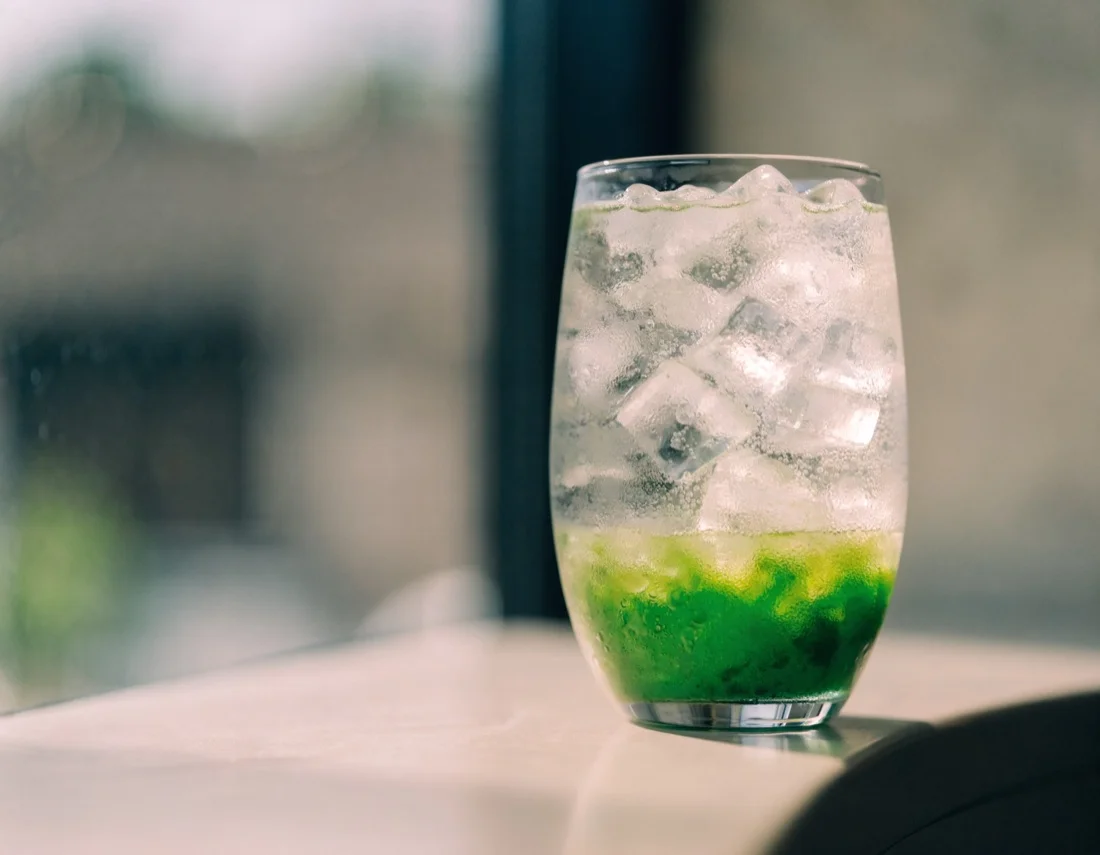
A matcha latte runs one of the best profit margins on a cafe menu. At a typical $6 menu price, the matcha itself usually costs you somewhere between 50 cents and about $1.20 per cup, which puts pour cost in the high single digits to around 20 percent of the menu price. Matcha also carries a higher menu price than your standard latte, and that gap is most of the margin. The variable that swings the number isn’t the menu price. It’s the per-cup yield of the bag you bought, and the price you paid for the name on that bag instead of the tea inside it.
That’s the whole post in two sentences. The rest is how to actually calculate it, and where the margin quietly leaks.
how to calculate matcha latte cost per serving
Start with grams, not dollars. A 12 oz cafe latte uses 3 to 4 grams of matcha; a 16 oz runs 4 to 6. Iced sits about a gram above hot at the same size, because the ice dilutes it. A standard 1 kg bag is 1,000 grams, so at 3 grams a cup you get about 330 servings from a single kilo, and at 4 grams about 250. The matcha drink cost calculator runs this math on your own price and grams.
Now divide your bag cost by that yield. Whatever you paid for the kilo, split across 250 to 330 cups, is your true matcha cost per serving. Add milk, a cup, a lid, and the labor minute, and you have your fully loaded cup cost. Menu price minus that number is your contribution margin.
The mistake most cafes make is costing the bag and never costing the cup. A bag that looks expensive on the shelf can be cheaper per serving than a “deal” bag, if the expensive one is denser, fresher, and doesn’t get dumped after a week because it oxidized. Yield and shelf life are margin levers hiding inside the grams.
matcha latte pour cost vs other menu drinks
Here’s why the matcha latte earns its menu slot. Run the same per-serving math across a few drinks and the matcha line stretches much further per kilo than the coffee lines, while carrying a higher menu price. Espresso drinks carry bean cost plus more shots on larger sizes. Cold brew ties up labor and steep time. A matcha latte is three to four grams of powder, milk, and twenty to thirty seconds of whisking or shaking.
| Drink | Main ingredient per cup | Rough servings per unit |
|---|---|---|
| Matcha latte (12 oz) | 3–4 g matcha | ~250–330 per 1 kg |
| Latte (2 shots) | ~18 g beans | ~55 per 1 kg |
| Drip / batch brew | ~20 g beans | ~50 per 1 kg |
The matcha line stretches further per unit than the coffee lines because the dose is small and the menu price is high. That gap is the margin. It’s also why “which matcha” matters more than baristas assume. The drink is mostly the powder. There’s nowhere for a weak ingredient to hide.
where matcha latte margin actually leaks
Three leaks, in order of how much they cost you.
Overpaying for the name. A lot of wholesale matcha is priced for the prefecture or the brand on the tin, not the tea in it. You often pay for the famous name as much as the matcha itself. The value usually sits with hidden-gem producers most buyers never reach. Pay for the name and your cost-per-serving climbs while the cup tastes the same to your customer.
Buying latte-grade matcha at koicha prices. A milk drink masks the top notes you’d pay up for in a straight bowl of usucha. For a latte program you want a lot that’s vivid through milk, not the most expensive tin on the shelf. Spending up there is margin you set on fire, because the milk eats the difference.
Oxidation waste. Matcha opened and left loose loses color and grassy lift, which is why an opened tin is finished within one month. If a bag dies before you pour through it, your real cost per serving is the bag price divided by the cups you actually sold, not the 250 to 330 the bag could have made. Stock to your actual weekly pour, store cold and sealed, and that leak closes.
As a concrete reference point: a single-cultivar Yabukita from Shizuoka, 2026 first flush, stone-milled, holds a clean umami line through oat milk that a tired blend won’t. That’s the kind of lot that protects both the cup quality and the per-serving math, because it stays vivid long enough to pour the whole bag.
pricing your matcha latte for the margin you want
Work backwards from the margin, not forwards from the cost. Decide the contribution margin you need per cup, add your fully loaded cup cost, and that’s your floor menu price. Most specialty cafes land matcha lattes a dollar or so above their standard latte, which the drink supports because customers read matcha as a specialty-category order and don’t price-compare it against drip.
Two practical moves. Offer a thicker tier above your standard 3 to 4 grams at a higher price. The incremental gram is cheap and the price bump is not, so the thick tier carries a fatter margin than the standard pour. And weigh the dose on a scale instead of scooping, because a scoop swings the dose 20 to 30 percent - an ingredient overrun you’ll never see on a P&L. Consistency is a margin tool, not just a quality one.
where Hisa fits
This whole post lands on one question: what are you actually paying for per cup? The names you already know are just the tip. Their price carries the famous prefecture and the brand on the tin as much as the tea, and in a milk drink your customer can’t taste the premium you paid for. Most suppliers make you choose between a name you trust and a price that protects your margin. Hisa’s answer is to surface the hidden-gem producers where the value lives, fully spec’d so you can see exactly what you’re buying: region, cultivar, harvest year, tasting notes. No name tax on the cup.
The fastest way to check the per-serving math against your own menu is to run it on your own numbers. Tell us what you serve, what volume you pour, and the cup size you build - and we’ll spec the lot that fits the program rather than the one with the biggest name on the tin.
Frequently Asked Questions
- What is a good profit margin on a matcha latte?
- Strong — at a typical $6 menu price the matcha itself usually costs 50 cents to about $1.20 per cup, which puts the ingredient cost in the high single digits to around 20 percent of menu price. Matcha supports a higher menu price than your standard latte, and that gap is where the margin sits.
- How do you calculate matcha latte cost per cup?
- Start with grams, not dollars. Divide your bag cost by its yield (a 1 kg bag is ~330 cups at 3 g, ~250 at 4 g), then add milk, a cup and lid, and the labor minute. Menu price minus that fully loaded cup cost is your contribution margin.
- How much matcha is in a latte?
- Three to four grams for a standard 12 oz cafe latte, and four to six grams for a 16 oz. Iced runs about a gram higher than hot at the same size, because the ice dilutes it.
- Is a matcha latte more profitable than coffee?
- Usually, per cup. The dose is small by weight (3 to 4 g vs ~18 g of beans for a double-shot latte) and matcha carries a higher menu price, so the drink tends to hold a strong ingredient-cost-to-price ratio.