
How U.S. Cafes Can Build a Matcha Dessert Program That Lifts Ticket Size
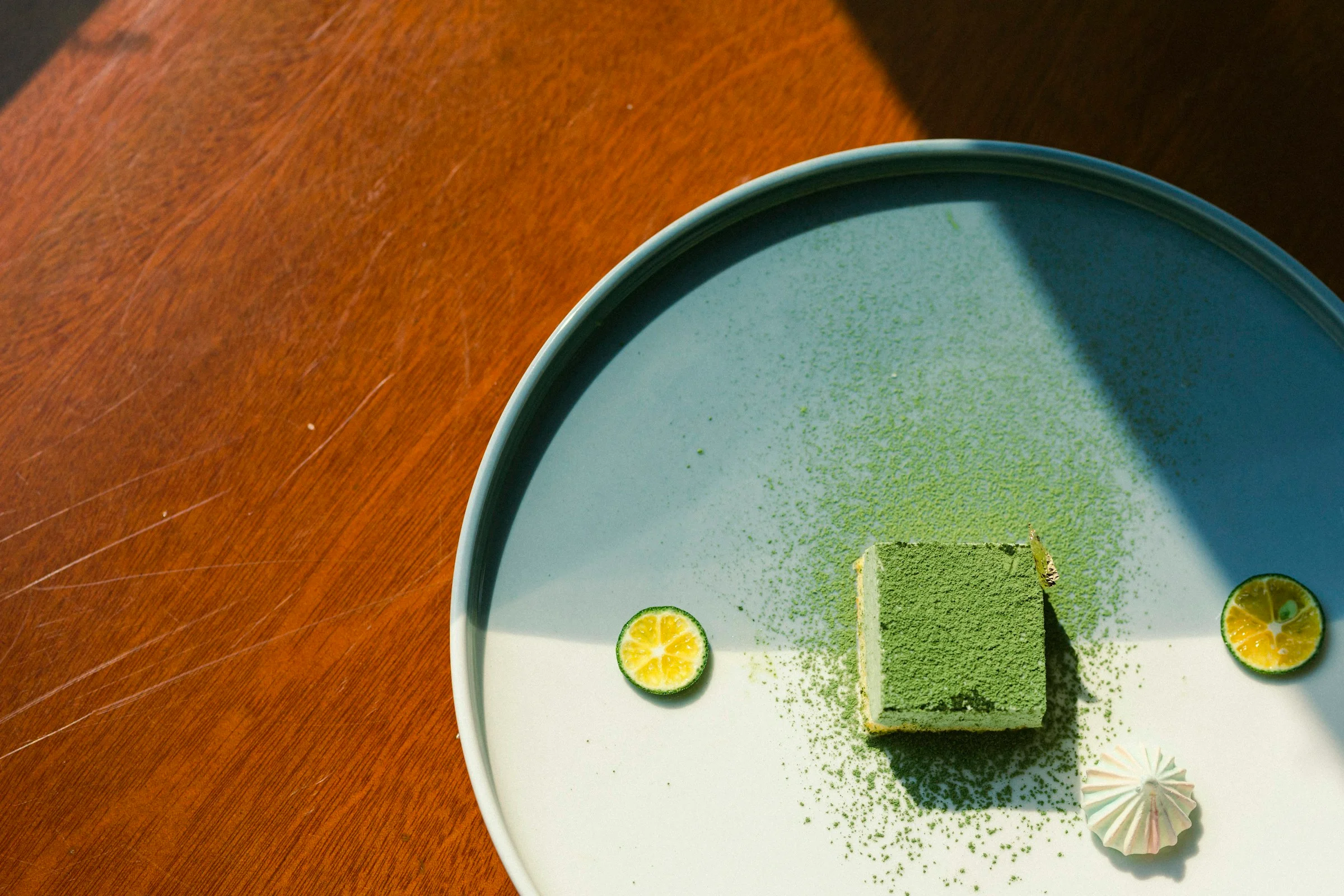
A Japanese hotel group quietly opened a new lane for matcha last week. On May 21, the Meikai Group launched a hotel-branded ice cream line called “The Artisan” at the Seaside Hotel Maiko Villa Kobe, built around carefully selected ingredients from Hyogo prefecture and named for the regional sourcing rather than the dessert format (PR TIMES). The matcha SKU isn’t the headline — the sourcing logic is. Hotels and high-end venues in Japan are increasingly building dessert programs around named regional matcha, and U.S. specialty cafes have a clear opening to do the same.
Quick Answer
A hotel group in Hyogo just launched a dessert line built around region-specific ingredients including matcha, reinforcing a wider trend of hospitality venues anchoring dessert programs to origin-named tea. U.S. specialty cafes can use the same playbook — single-cultivar matcha in soft serve, gelato, affogato, and sundae formats — to grow weekend ticket size and create a category their espresso-only neighbors can’t copy quickly.
Key Takeaways
- Japanese hospitality groups are treating regional matcha as a dessert anchor, not a beverage afterthought — same sourcing standard, different format.
- A matcha dessert SKU (soft serve, gelato, sundae, affogato) typically prices 30-50% above a matcha latte and pulls weekend foot traffic that drink-only menus miss.
- The unlock is specificity: customers will pay for “Saemidori soft serve from Kagoshima, 2026 first flush” in a way they won’t for “matcha ice cream.”
What the Meikai launch actually signals
The Maiko Villa Kobe launch isn’t a one-off marketing stunt. It sits inside a pattern visible across Japanese hospitality this spring — department-store matcha events, hotel pastry programs, and regional tourism boards all treating matcha as a region-named ingredient on par with single-origin chocolate or a named-vineyard wine. “The Artisan” naming convention is the signal: the dessert line is positioned around the sourcing story, not the SKU.
For U.S. cafe owners, the takeaway isn’t “make a matcha ice cream.” It’s that the Japanese supply side is now actively building hospitality narratives around regional matcha, which means the ingredient infrastructure to do this well outside Japan is finally arriving too. The story has caught up with the supply.
Why dessert is the easiest ticket-size lever
A 16oz iced matcha latte tops out at $7-9 in most U.S. metros. A matcha affogato — a scoop of vanilla gelato with a hot shot of matcha poured over it tableside — clears $10-12 and takes 90 seconds to assemble.
The format ladder:
- Soft serve — lowest equipment cost, highest weekend throughput. A twin-tip machine runs matcha-vanilla swirl as the default cone.
- Gelato — higher entry cost, but lets you run two or three matcha SKUs side by side (Yabukita single-cultivar, an Okumidori blend, a hojicha for contrast).
- Affogato — zero new equipment if you already have a hot-water tap and gelato. The ritual at the counter is the marketing.
- Sundae — works best as a limited-time pairing with seasonal local fruit. The Japanese template is matcha + a regional ingredient; the U.S. version is matcha + your local farmers’ market in season.
How to spec matcha for dessert (and why “culinary grade” is a trap)
The lazy answer is “use culinary grade for dessert.” Skip it. “Culinary grade” is a marketing tier, not a quality spec, and the matcha that sits inside a high-end Japanese hotel dessert is not bottom-shelf — it’s a mid-tier single-cultivar tea chosen because its flavor survives the cream, sugar, and cold.
What to actually look for:
- Cultivar — Saemidori for clean sweetness in dairy. Okumidori for darker color and a deeper finish in gelato bases. Avoid no-name blends; they’ll go flat against sugar.
- Region — Kagoshima ranges sweeter and tends to hold color better through freezing. Shizuoka ranges more vegetal — better for affogato where you want the matcha to read through hot water.
- Harvest year — first flush from the current year for a dessert program you’re putting your name on. Older tencha goes muddy in dairy fast.
- Particle size — too fine and it scorches on contact with hot milk; too coarse and it grits in cold cream. Ask the supplier.
If your current supplier can’t answer those four questions on a phone call, the dessert program is going to underperform.
What to watch next
Three signals will tell you whether the U.S. hospitality side picks this up:
- Hotel pastry programs in NYC, LA, and Miami adding named-region matcha to spring/summer menus.
- Independent gelato shops listing matcha alongside their pistachio and stracciatella with the same sourcing language.
- Wholesale matcha buyers asking suppliers for cultivar specs by name — the lagging indicator that the narrative has reached the buy side.
The cafes that move first own the category in their market. The ones that wait six months are going to be doing matcha soft serve at the same time as everyone else, with the same generic story.
How Hisa fits
Hisa supplies single-cultivar matcha from Shizuoka, Kagoshima, Miyazaki, Aichi, and Kyoto, with cultivar, region, and harvest year named on every SKU. For a dessert program, the typical spec is a Saemidori or Okumidori from Kagoshima first flush — sweet enough to hold its own against dairy, deep enough in color to read on a cone.
If you’re scoping a matcha dessert SKU for summer, reach out for a sample and tell us what format you’re building around — soft serve, gelato, affogato — and we’ll match the cultivar to the dessert.
Build the menu line this week
A matcha dessert prices well above a latte, and specificity is what justifies the number on the menu. Worth asking your wholesaler:
- Which cultivar holds its color through churning, baking, or freezing?
- Can you supply a culinary-grade SKU at the volume a dessert program needs?
- Will the same cultivar and harvest be there next month so my dessert tastes the same?
“Saemidori soft serve, Kagoshima first flush” reads better, and sells higher, than “matcha.” Tell us the desserts you’re planning and we’ll match a cultivar to each.