
Why 'matcha' on your menu won't mean much in 2026, and what to spec instead
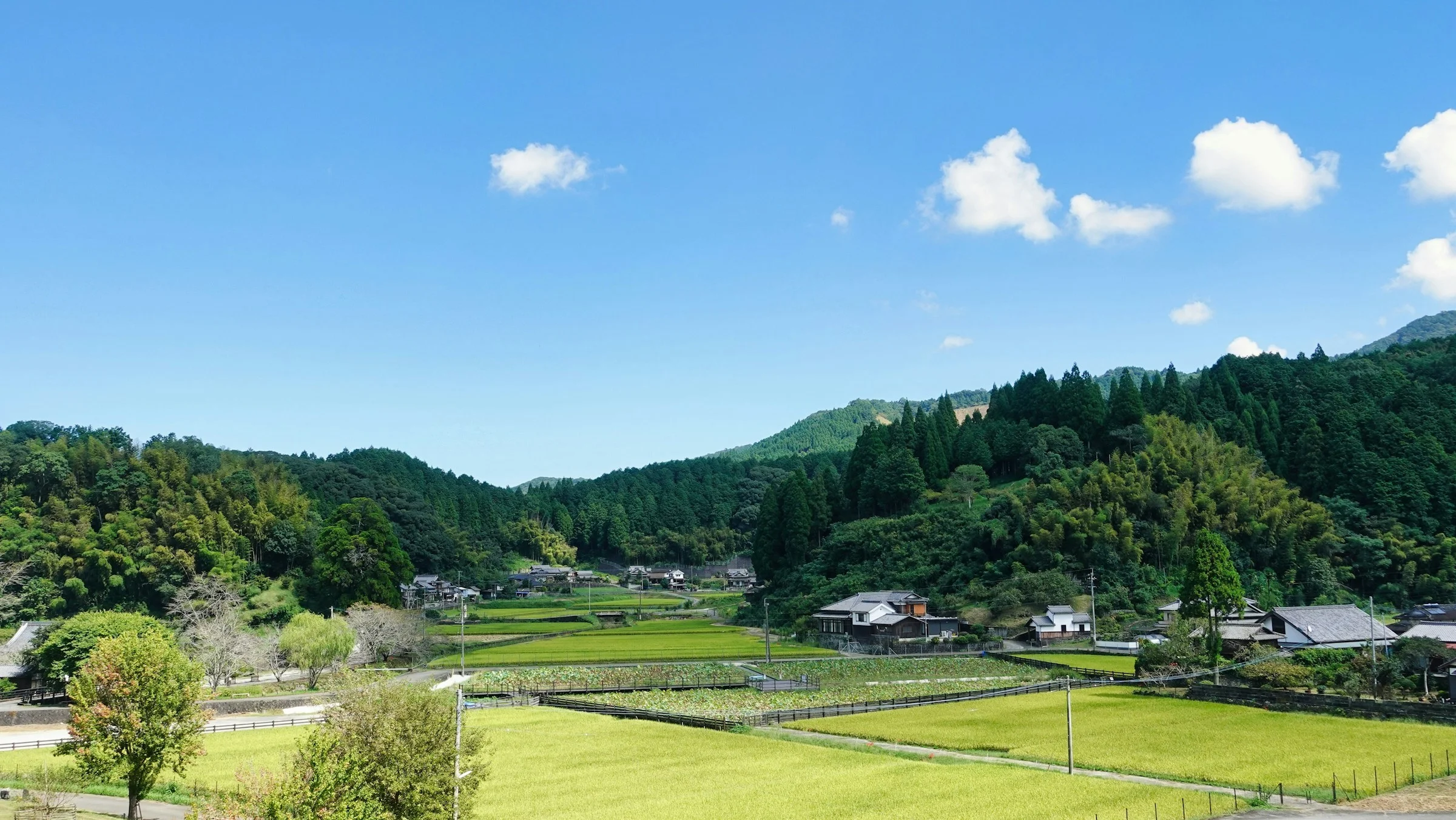
Japan’s Ministry of Agriculture, Forestry and Fisheries (MAFF) is working with the country’s tea industry associations to register “Japanese tea” under the national Geographical Indication (GI) system, reported by Excite News on May 12. The proposed definition is narrow on purpose: unfermented tea grown, harvested, and processed entirely within Japan. For specialty cafes buying matcha in 2026, this is the first time origin will be a legal status rather than a marketing claim.
Quick Answer
Japan is moving to register “Japanese tea” under its national GI framework, defining it as unfermented tea grown, harvested, and processed entirely within Japan. For U.S. cafe operators, the practical takeaway is that “matcha” alone will no longer carry origin weight — single-cultivar, region-named, harvest-dated SKUs will become the baseline for any wholesaler claiming a Japan-grown product.
Key Takeaways
- The GI scheme legally defines Japanese tea as Japan-grown, Japan-harvested, and Japan-processed — green tea powder made offshore from non-Japanese leaf will no longer share the same shelf language.
- The regulation is a response to surging global matcha demand and the influx of foreign-produced green tea powders riding the category’s momentum.
- Cafes that already buy single-cultivar, region-named matcha are positioned ahead of the curve; vague “Japanese-style” wholesale relationships are the ones most exposed.
What the GI proposal actually says
The draft language from MAFF and the industry associations defines Japanese tea as 不発酵茶 — unfermented tea — produced by steaming or pan-firing the leaf to deactivate enzymes, with cultivation, harvest, and processing all taking place inside Japan. Fermented teas like Japan-grown black tea or oolong are out of scope for now. The framework targets the gap that has widened over the last two export cycles: green tea powder grown and milled outside Japan, sold under labels that lean on the word “matcha” without disclosing where the leaf was actually grown.
GI is the same legal instrument Japan uses for Kobe beef and Yubari melon. Once registered, the mark carries enforcement weight — misrepresentation becomes a legal exposure for the seller, not a trust issue for the buyer to investigate alone.
Why the timing matters
Global matcha demand is on a tear. Green tea exports have crossed 12,000 tons and matcha at retail is now hitting 11,000 yen per 30 grams domestically. That gravitational pull has created two parallel problems for buyers. First, capital is flowing into non-Japanese green tea powder operations — leaf grown outside Japan, ground into powder, and sold into the same channels as Japan-grown matcha. Second, the word “matcha” has lost most of its discriminating power on a wholesale invoice. A tin labeled “organic Japanese matcha” today can mean tencha shade-grown in Shizuoka and stone-milled in Aichi, or leaf grown offshore and processed through a Japan-adjacent supply chain.
The GI registration is the regulatory answer. Once in place, “Japanese tea” becomes a defined term with a documented chain of custody behind it.
What this changes for U.S. cafe sourcing
For specialty cafes, the practical shift is in what a supplier can and cannot put on a label or product sheet. A registered GI raises the floor on what “Japanese matcha” legally requires: prefecture-level origin, in-country processing, and documentation that travels with the product. Suppliers who currently operate on vague “imported from Japan” framing without per-SKU traceability will need to either upgrade their disclosure or accept a narrower claim.
The questions worth asking a wholesaler now map directly to what the GI framework will eventually require:
- Prefecture of cultivation — Shizuoka, Kagoshima, Kagoshima highlands, Aichi, Kyoto, Miyazaki. “Japan” is too coarse.
- Cultivar — Yabukita, Saemidori, Okumidori, Asahi. A wholesaler who can’t name the cultivar is selling a blend they didn’t compose.
- Harvest year and flush — 2026 first flush behaves differently in a latte than 2026 second flush, and stock from prior years is a different product again.
- Processing location — same prefecture as the leaf, or shipped elsewhere for grinding? Offshore grinding isn’t disqualifying under the proposed GI, but it must be disclosed.
A wholesaler who can answer all four on every SKU is already operating at the disclosure level the GI will codify. One who can’t is going to find the next twelve months uncomfortable.
The sommelier read
GI registration is, at its core, a vocabulary upgrade. It moves the conversation from a single ambiguous word — matcha — to the four data points that actually determine how the tea performs at the bench: region, cultivar, harvest, process. That same vocabulary is how wine is sold to serious buyers, and how Japanese tea has always been bought and sold inside Japan. The export market is catching up.
For Hisa, the GI push reinforces a sourcing posture already in place. Every SKU is built around named region, named cultivar, harvest year, and tasting notes, with leaf coming from farms and matcha processors across Shizuoka, Kagoshima, Miyazaki, Aichi, and Kyoto — direct from the source. The legal framework arriving in 2027 or 2028 will simply make that level of specificity the public floor instead of a sommelier-tier differentiator.
If you operate a specialty cafe and want to taste what a fully spec’d Japan-grown matcha looks like before the regulation lands, browse the Hisa catalog or request a sample.
Tighten your spec sheet
When “matcha” alone stops carrying origin weight, the cafés that already buy by spec are protected. Pressure-test your wholesaler:
- Can you name the cultivar, region, and harvest year for each SKU I buy?
- Is the leaf grown, harvested, and processed in Japan, and can you prove it?
- If I’m buying a single-cultivar SKU, will the next batch match the last one?
A supplier who can answer is already operating at the new floor. Send us the SKUs you run and we’ll show you the spec behind each one.