
Why the Matcha Boom Is Bankrupting Japanese Tea Farms (And What It Means for Your Cafe)
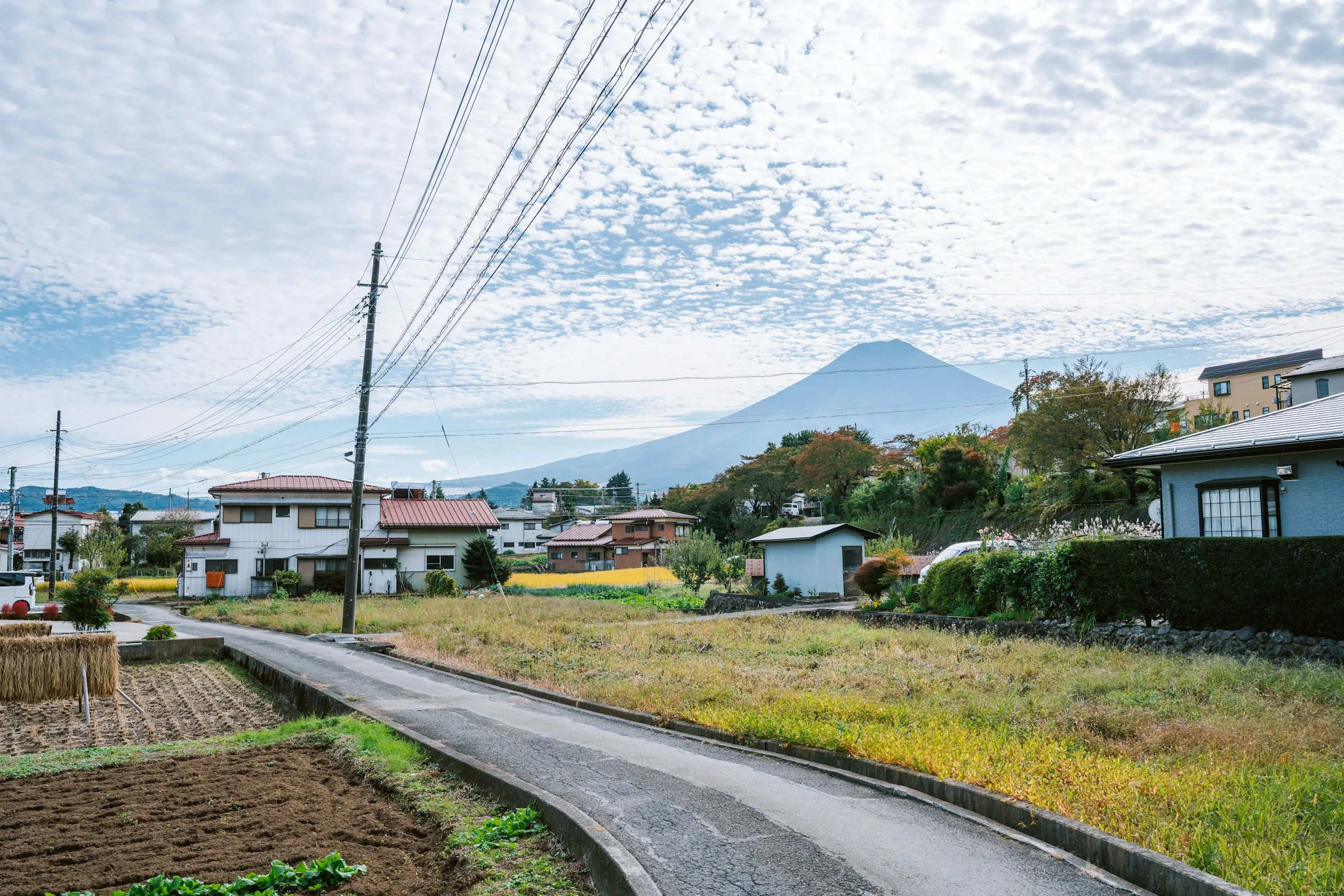
Japan’s tea industry is in a strange place this month. Demand for matcha has never been higher, exports are climbing, and Uji is full of tourists. Meanwhile, a strategy panel at Tech for Impact Summit 2026 warned that record bankruptcies are sweeping through the small and mid-sized producers who actually make real matcha possible. The full session is documented by PR TIMES, and the takeaway is sharp: the boom is not lifting all boats. For US cafe owners, the structural story matters more than the headline.
Quick Answer
The global matcha boom is collapsing Japanese tea farms because converting a sencha facility to tencha production costs roughly 100 million yen per small plant, a barrier most family operations cannot clear. Meanwhile, pulverized green tea is increasingly shipped abroad as “matcha,” diluting both supply and meaning. Cafes that want real, single-cultivar tencha will pay more and wait longer through 2026.
Key Takeaways
- Switching one small sencha facility to tencha (the shade-grown leaf that becomes matcha) costs around 100 million yen, a wall that keeps real tencha supply structurally tight.
- A growing share of powder entering the global market is pulverized green tea, not tencha. The word “matcha” on a tin no longer guarantees the process behind it.
- If matcha captured even 10% of the coffee market, Japan’s domestic tencha supply could not meet demand. Cafes that lock in spec’d-out sourcing now will be the ones still pouring real matcha in 2027.
The 100-Million-Yen Wall Nobody Talks About
Most coverage of the matcha boom stops at the demand side: TikTok views, Starbucks lattes, Whole Foods shelf space. The supply side is where the story breaks. Tencha is the shade-grown, de-stemmed leaf that gets stone-milled into matcha, and it is not made on the same equipment as sencha. A tencha line needs covered cultivation in the field, a different steaming and drying flow in the factory, and stone mills downstream. The T4IS2026 panel put the conversion cost for a small facility at roughly 100 million yen.
That is not a number a typical family tea farm in Shizuoka or Kagoshima can casually raise. Many producers are watching the boom from the sidelines, treating it as a bubble and choosing not to retool. Others are going under before they can convert. Either way, real tencha supply is not expanding at anywhere near the rate global demand suggests it should.
What “Matcha” Actually Means Right Now
Here is the part US specialty cafes need to internalize. Because tencha is bottlenecked, some exporters are filling orders with pulverized green tea: sencha or other leaf, ground fine enough to look the part. In a latte with oat milk and syrup, plenty of end customers will not notice. In a usucha or a pastry chef’s ganache, it falls apart fast. Gritty texture, thin umami, yellow-brown color instead of the deep jade that comes from shaded, de-stemmed leaf.
The word “matcha” is doing more work than ever, and less of that work is honest. For a wholesale buyer, the practical question is no longer “is this organic Japanese matcha.” It is: what cultivar, what prefecture, what harvest, and was it actually tencha to begin with. If your supplier cannot answer those four questions, the answer to the fourth is probably no.
Why This Matters for US Specialty Cafes
The cafe-side implications break down cleanly. Prices on real tencha-derived matcha will keep climbing through 2026. Shizuoka’s opening auction already hit 1.18 million yen per kg this week for top lots, and that pressure flows downstream. Availability of any specific single-cultivar lot will be tighter and more time-bound. The wholesale market will split: a small number of suppliers who can prove provenance, and a larger pool selling generic “Japanese matcha” that may or may not be tencha at all.
For a cafe building a menu around matcha, the move is to treat it like a single-origin coffee program. Know the region. Know the cultivar. Know the harvest. Build a story your baristas can tell and your customers can taste.
How Hisa Sources Through the Squeeze
Hisa is structured for this exact moment. Every Hisa SKU names the region, cultivar, and harvest year: Yabukita from Shizuoka first flush, Saemidori from Kagoshima highlands, Okumidori blends with the prefectures listed out. Sourcing runs multi-prefecture across Shizuoka, Kagoshima, Miyazaki, Aichi, and Kyoto, direct from the source, so a single supplier hiccup does not collapse a cafe’s program. The bilingual CEO negotiates in Japanese on the ground, which is what keeps the relationships viable when small Japanese producers will not sell to a US LLC by email.
The 100-million-yen wall is real. The pulverized-green-tea problem is real. The cafes that come out of 2026 still pouring real matcha will be the ones who stopped treating it as a commodity ingredient and started treating it like a wine list.
If you are auditing your matcha program this quarter, take a look at the Hisa catalog or request a sample. We will tell you the region, cultivar, and harvest year on every lot, so you know exactly what you are pouring.
Read this into your sourcing
Real tencha supply is tight because converting a facility is expensive, which is exactly why “matcha” gets stretched with pulverized green tea. Ask your wholesaler:
- Is this real tencha, single-cultivar, or blended powder labeled as matcha?
- Where does the leaf come from, and is that supply stable for the next year?
- What’s the honest lead time on a real single-cultivar SKU at my volume?
Cheaper and faster usually means it isn’t tencha. Tell us what you pour and we’ll be straight about what’s behind it.