
How to keep matcha from oxidizing: fridge, small tin, one-month rule
Quick Answer
Matcha degrades fastest from oxygen, heat, light, and moisture, so store it airtight, cold, and dark. Keep your week’s working amount in a small sealed tin at the station and the rest sealed and refrigerated, opening it only to refill. Set a par-level per SKU, rotate oldest-first, and aim to finish an opened tin within one month. Unopened, sealed matcha holds for months; once opened, the clock speeds up.
Key Takeaways
- The four enemies are oxygen, heat, light, and moisture — airtight, cold, and dark beats any single trick.
- Unopened sealed matcha holds for months; an opened tin should be finished in roughly one month before color and aroma fade.
- Set a par-level per SKU and rotate oldest-first so you protect the spec’d leaf you paid for instead of oxidizing it on the shelf.
What actually makes matcha go stale
Matcha is shade-grown leaf ground to a powder, which means enormous surface area exposed to air. That’s why it fades faster than loose-leaf or a coffee bean. Four things do the damage, roughly in this order:
- Oxygen. The big one. Oxidation strips the vivid green and the fresh, grassy top notes, leaving a flat, hay-like cup. Air contact is unavoidable during service, so the goal is minimizing standing exposure, not eliminating it.
- Heat. A warm station or a sunny back bar accelerates every other reaction. Room-temperature storage near an espresso machine is worse than most people think.
- Light. UV breaks down chlorophyll and catechins. Clear jars on a lit shelf look great and kill the tea.
- Moisture. Matcha is hygroscopic — it pulls water out of humid air, which causes clumping and invites off-flavors. A wet measuring spoon is a common culprit.
None of these are reversible. Once a lot oxidizes, you can’t bring the color back. Storage is purely about slowing the clock.
Opened vs unopened: two different shelf lives
This is the distinction most “matcha shelf life opened” searches miss. They’re really two products.
Unopened, sealed matcha — vacuum-sealed or nitrogen-flushed and kept cold — holds its character for months. If your supplier ships in sealed pouches or tins, treat those as your reserve. Don’t crack them until you need them.
Opened matcha is on a faster clock. Once air is in the tin, plan to use it within one month for service-grade results. It won’t be unsafe past that, but the color dulls and the cup loses the brightness your customers ordered the menu for. For a high-volume cafe pulling lattes all day, one month is easy to hit. For a slow-moving specialty SKU, it’s the constraint that should drive how much you open at once.
The practical move: keep one small “open” tin in service and everything else sealed in reserve. You’re trading one tin’s worth of freshness exposure instead of the whole stock’s.
How to store bulk matcha without oxidizing it
If you buy bulk matcha — and most wholesale cafes do — the worst thing you can do is decant a kilo into a big jar on the counter. You’ve just maximized air contact across your entire inventory. Here’s the cafe setup that works:
- Reserve, sealed and cold. Keep unopened bulk in its original airtight packaging in a fridge or a cool, dark cabinet. If you fridge it, let a sealed pouch come to room temperature before opening so condensation forms on the outside of the bag, not on the powder.
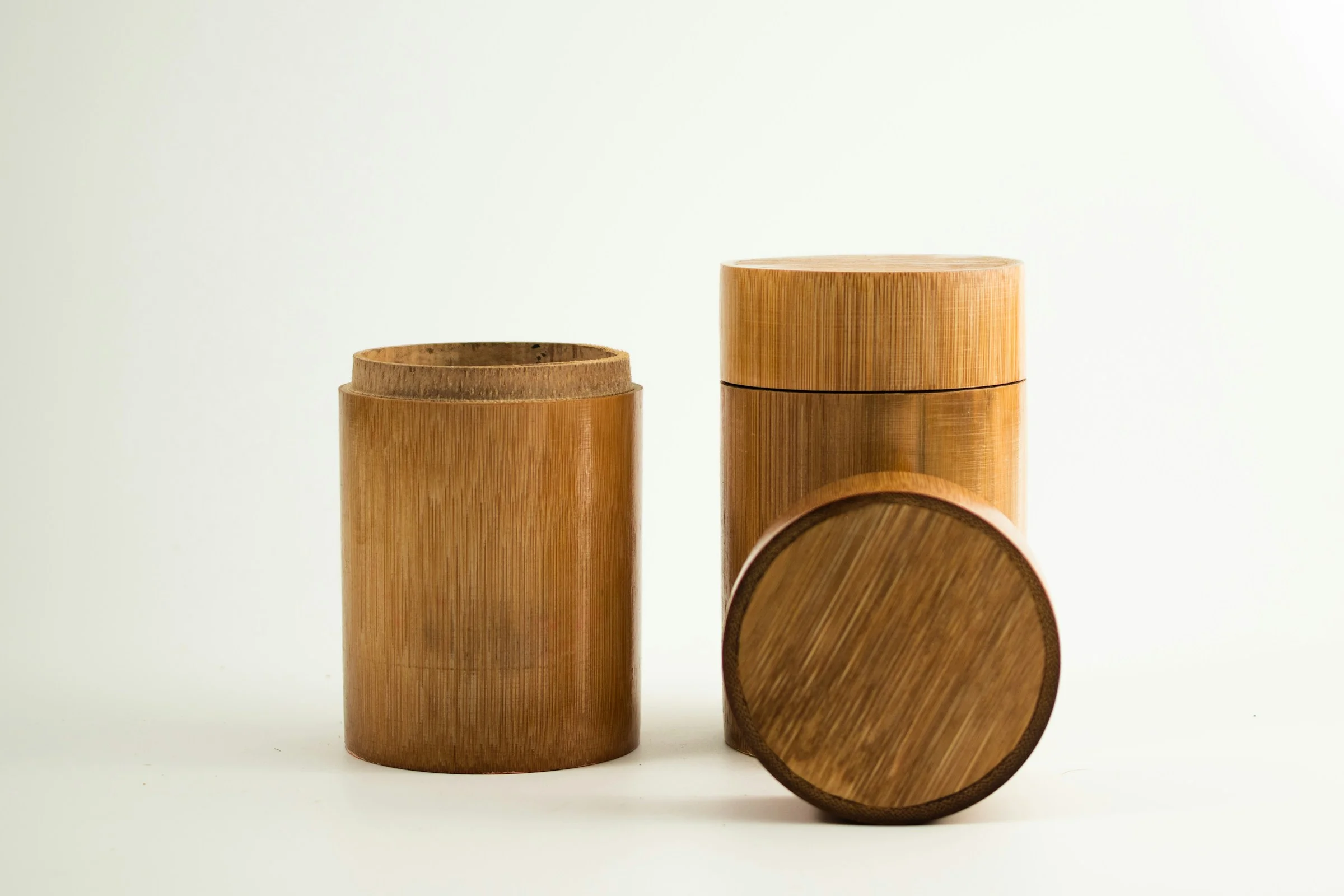
- Working tin, small and airtight. Decant only your week’s working amount into a small opaque tin with a tight lid. Stainless or a dark, food-safe container beats glass on a lit shelf.
- Station discipline. Dry scoop only. Keep the tin closed between drinks. Don’t store it on top of the machine where it bakes all day.
A vacuum-seal canister or a tin with a one-way valve helps, but the bigger win is simply portioning smaller and refilling more often. Air exposure scales with how much surface you leave open, and for how long.
Par-levels and rotation: protect the leaf you paid for
Storage mechanics only hold if your purchasing matches your throughput. This is where freshness becomes an inventory problem.
Set a par-level per SKU — the working amount you keep opened at the station, sized to a week or so of that drink’s volume. Your house latte matcha might run a larger par than a single-origin you pour by the cup. When the working tin runs low, refill from sealed reserve, not by opening a second tin alongside the first.
Then rotate oldest-first. Date every tin when it’s opened, and finish the older one before cracking the next. First in, first out. It sounds obvious, but the most common waste in a busy cafe is a half-used tin pushed to the back while a fresh one gets opened up front.
This matters more the better your matcha is. A spec’d lot — say a single-cultivar Saemidori from Kagoshima, 2026 first flush, stone-milled — carries a delicate, sweet top note that’s the whole reason you put it on the menu. That’s exactly the character oxygen eats first. Buy and open it in a rhythm that uses it while it’s bright, or you’re paying for a spec you let fade on the shelf.
Where Hisa fits
Most of this comes down to a buying problem disguised as a storage problem. The reason cafes over-decant and watch matcha oxidize is that re-ordering feels slow and expensive, so they buy big and hope to get through it.
That’s the tradeoff the Operations pillar dissolves. Hisa stocks in a US warehouse and ships from Seattle in a couple of days, with a 1 kg per-lot minimum — so you can order like it’s a domestic vendor: small, frequent restocks instead of one giant buy you have to outrun. Smaller orders mean the leaf reaching your station is fresher, your reserve stays sealed longer, and you’re not gambling a kilo against the calendar. Farm-direct character without inheriting the import lead times that force everyone to over-buy.
Start with a sample matched to your menu, see how the freshness holds through a week of service, then set a restock rhythm that keeps your par tight.