
Achieving matcha consistency for your cafe
Buyer briefing
Decision checks
- Two of the four things that move the cup are purchases, not skills: a 0.1 g scale, because scoops swing 20–30%, and a temperature-controlled kettle set to 70–80 °C.
- Put the numbers on one page taped where the tins live: the lot, the dose, the water, the paste, the build, the tool and time, and the date the tin was opened.
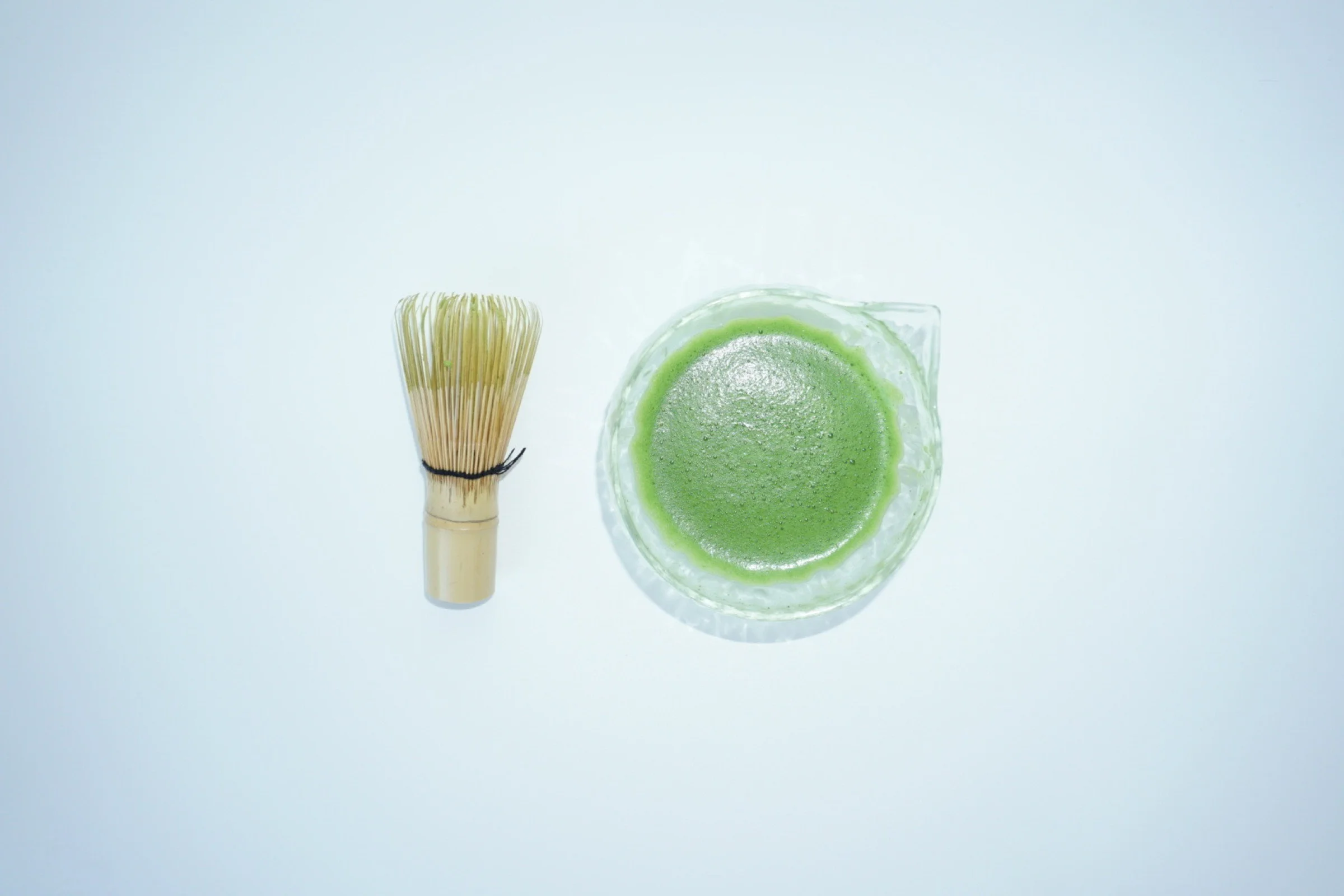
- Write the whisk down in strokes and seconds: a W or M zig-zag for 20–30 seconds with a chasen, or 10–20 seconds on a frother. A Kobe University study found a large difference in the foam between skilled and unskilled hands.
To make every matcha drink the same, take the guessing off the bar: weigh the dose on a 0.1 g scale, hold the water at 70–80 °C, and put the rest of the numbers on a one-page card where the tins live. Then check them at the start of every shift, before the first ticket.
Matcha is harder to hold steady than espresso for one plain reason. The grinder shows the dose and the machine shows the temperature, but nothing on a matcha station reports anything.
Why do two baristas make two different matcha drinks?
Four things move the cup: the dose, the water temperature, the whisk, and how long the tin has been open. Two of them are purchases, not skills.
The first is a 0.1 g scale. Scoops swing 20–30%, and that spread is the main reason two baristas make two different drinks. The second is a temperature-controlled kettle set to 70–80 °C, so nobody has to judge how long the water has been sitting.
The grams for each drink live in the café dose and water temperature table. This page is about making them hold up on a busy Saturday. If you are still choosing the matcha itself, start with what barista-grade matcha means.
What goes on the matcha card?
One page, taped where the tins live: the lot, the grams for each cup size, the water temperature, the paste, the build order, the tool and its seconds, and the date the tin was opened. A manual goes in a binder, and nobody opens it after the first week. A card gets read because it sits where the decision happens.
Every line should be something a closing barista can check by looking at the bar. If a line can’t be checked, it doesn’t belong on the card.
How do you whisk matcha the same way every time?
Write the stroke on the card, not just the tool. Make the paste first with 30–40 ml of the water, rubbed smooth against the cup wall before anything else goes in. Then whisk a W or M zig-zag from the wrist, not circles, for 20–30 seconds with a chasen or 10–20 seconds on a frother. Then build in the same order every time: sweetener into the hot paste, then milk poured onto the paste.
In Japan, even the whisk stroke gets studied. A Kobe University motion study of tea-ceremony whisking found a large difference in the foam between skilled and unskilled hands. A café can take the same lesson: the whisk is where two cups drift apart, so pin it down in seconds and strokes rather than leaving it to feel.
To check it, make one cup yourself to the card and set it beside a new barista’s. Ask which is sweeter and which is thinner.
What changes for iced drinks and the rush?
Iced matcha starts from a paste too, made with hot water even though the drink is cold. Cold water will not wet matcha properly. Dose about a gram over the hot build, because ice melt thins the cup and a light dose turns pale under cold milk. A cocktail tin, shaken 30–40 times, replaces the whisk.
For the rush, give each drink type one tool and keep it. A chasen for straight matcha, where the foam is the product. A frother or a shaker for milk drinks, where both hold up under pressure and give the same result from any barista. Sift the shift’s doses at open into a covered container, so nobody skips the sifter at the ticket.
Re-agitate anything that has stood, because matcha settles and a shake puts it back. Don’t hold a jug through the afternoon, though. Once matcha meets air it oxidizes, and that doesn’t stir back in.
What should every shift check before the first ticket?
Run these at open, the way your bar already calibrates espresso:
- Sift the shift’s doses into a covered container.
- Read the kettle rather than trusting it. It should hold 70–80 °C, not just be switched on.
- Zero the scale and weigh one dose against the card.
- Taste and smell one cup. Green is the floor, not the whole test, because the cup goes flat before the colour fades.
- Check the date on the open tin. An opened tin runs about a month, so pour the oldest first.
- Bring a cold tin up before you need it: 30–60 minutes sealed at room temperature, or water condenses onto the powder.
- Look at the chasen. Replace it when the first prong breaks, and rest it on its shaper (kusenaoshi) between services.
There is more on rotation and par levels in matcha storage for cafés. If the oldest tin keeps outliving its month, the order is too big for the bar: order matcha in bulk by the kilo and let the reorder follow what your shifts actually pour.
Where Hisa fits
All of this assumes the matcha the card was written for is the matcha in the tin next month. If the tea changes, the card is wrong and the bar copies the change faithfully. Hisa sends its wholesale accounts the recipe cards these numbers come from, so the card on your bar and ours say the same thing.
Tell us what your bar runs: the drinks, the cup sizes, and how many people are on bar at peak. We’ll tell you which matcha holds up to the routine your team can keep.
Sources
- Matcha Recipes, records 01–03, and Cafe Guide, records 01–03 (café recipe cards, 2026) — Hisa Matcha
- Motion analysis of matcha whisking in the tea ceremony (茶道における抹茶撹拌の動作解析) — Kobe University, Faculty of Engineering
- Effect of storage temperature on the antioxidant activity and catechins stability of matcha — Food Science and Biotechnology
- The effect of ultrasound, oxygen and sunlight on the stability of (−)-epigallocatechin gallate — Molecules